A Monday Night Football Game Turned Deadly — How a 49ers Win Became the Backdrop to a Christmas Tragedy
Highland City, Florida – December 26, 2025
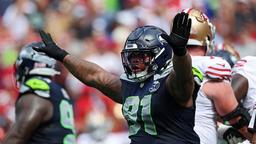
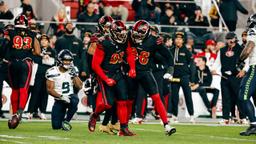
On Monday night, the San Francisco 49ers did what contenders are supposed to do. Under the national lights, they overwhelmed the Indianapolis Colts 48–27, delivering one of their most convincing performances of the season. For fans across the country, it was a celebration — touchdowns piling up, playoff implications solidifying, another step forward in a promising run.
But in a quiet home in Polk County, Florida, that same game was playing in the background as a family’s life unraveled.
According to authorities, what unfolded late on December 22 was not about football itself, but about something far darker — alcohol, drugs, a firearm, and a domestic argument that spiraled out of control. The 49ers’ victory did not cause the tragedy. It served only as the backdrop, a televised moment coinciding with an act of violence that left one woman dead, a teenage girl critically injured, and three children forever changed just days before Christmas.
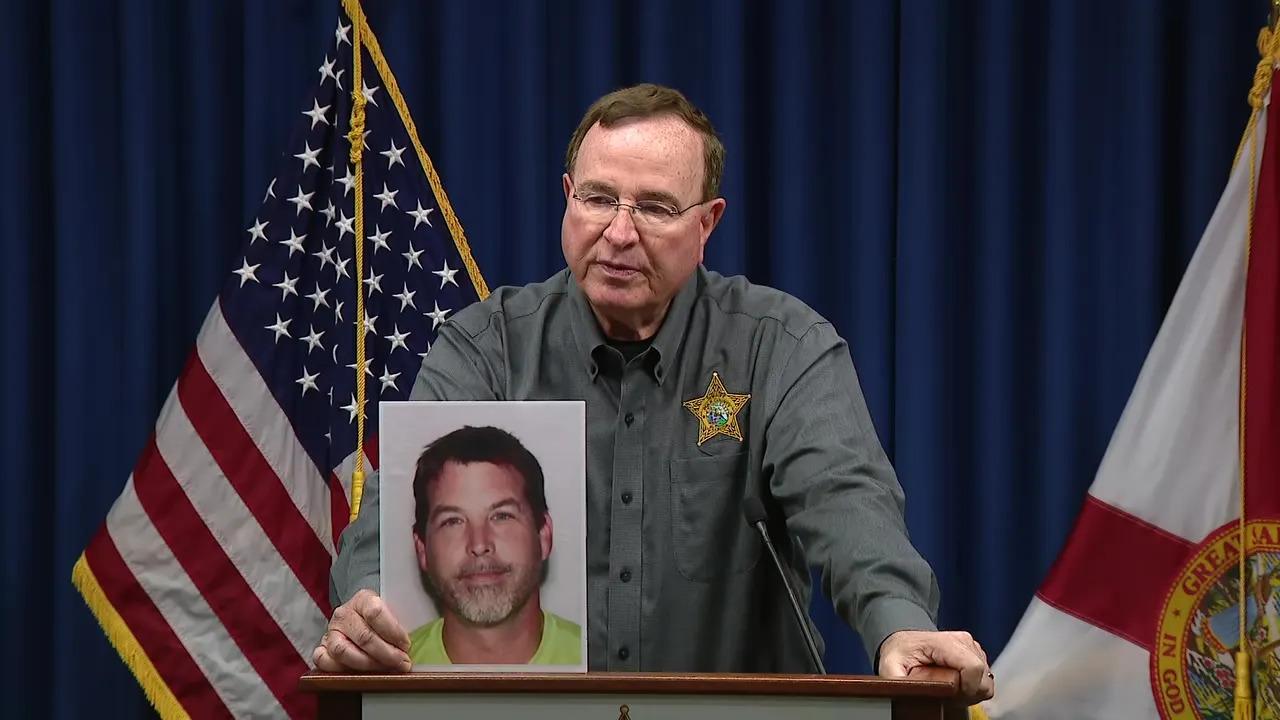
Investigators say the suspect, a longtime 49ers fan, had been drinking while watching the Monday Night Football broadcast. An argument began inside the home when his wife attempted to turn off or change the channel. What followed escalated with devastating speed. As one child fled the house to seek help, gunshots rang out.
By the time deputies arrived, the scene was already a nightmare. A 38-year-old woman was dead from a gunshot wound to the head. Her 13-year-old daughter had been shot twice — once in the shoulder and once in the face — yet survived in what officials later described as nothing short of a miracle. A one-year-old child was found asleep in a crib, unharmed.
The suspect fled, made a call to a family member in which he admitted he had done “something terrible,” and later took his own life as law enforcement closed in. A handwritten note recovered at the scene painted a picture of a household already under severe strain, marked by substance abuse and desperation.
Sheriff Grady Judd did not mince words when addressing the case publicly. This, he said, was a domestic violence tragedy, not a sports story — one intensified by alcohol, drugs, and access to a gun. The timing, three days before Christmas and beneath a tree filled with unopened gifts, only deepened the horror.
And yet, the contrast is impossible to ignore. While Levi’s Stadium erupted with cheers and social media lit up with highlights from a dominant 49ers win, a family hundreds of miles away was being destroyed in silence. Celebration and catastrophe existed simultaneously, connected only by a television screen and a night meant for entertainment.

That collision of joy and loss is what makes the story so unsettling. Football is often an escape — a few hours where fans set aside real life. But this tragedy is a reminder that the game does not exist in a vacuum. Real lives, real struggles, and real dangers continue even as the scoreboard keeps ticking.
Authorities have emphasized that the responsibility lies squarely with the individual who pulled the trigger, not with the team on the screen. Still, the case has sparked renewed conversations about domestic violence, substance abuse, and firearm access — conversations that extend far beyond the confines of sports.
As the 49ers move forward toward the postseason and fans look ahead to January football, one truth lingers uncomfortably in the background: while games end and seasons move on, the consequences of violence do not. For one family in Florida, a Monday night remembered by millions for a lopsided football score will forever be remembered for something far more tragic.
May You Like

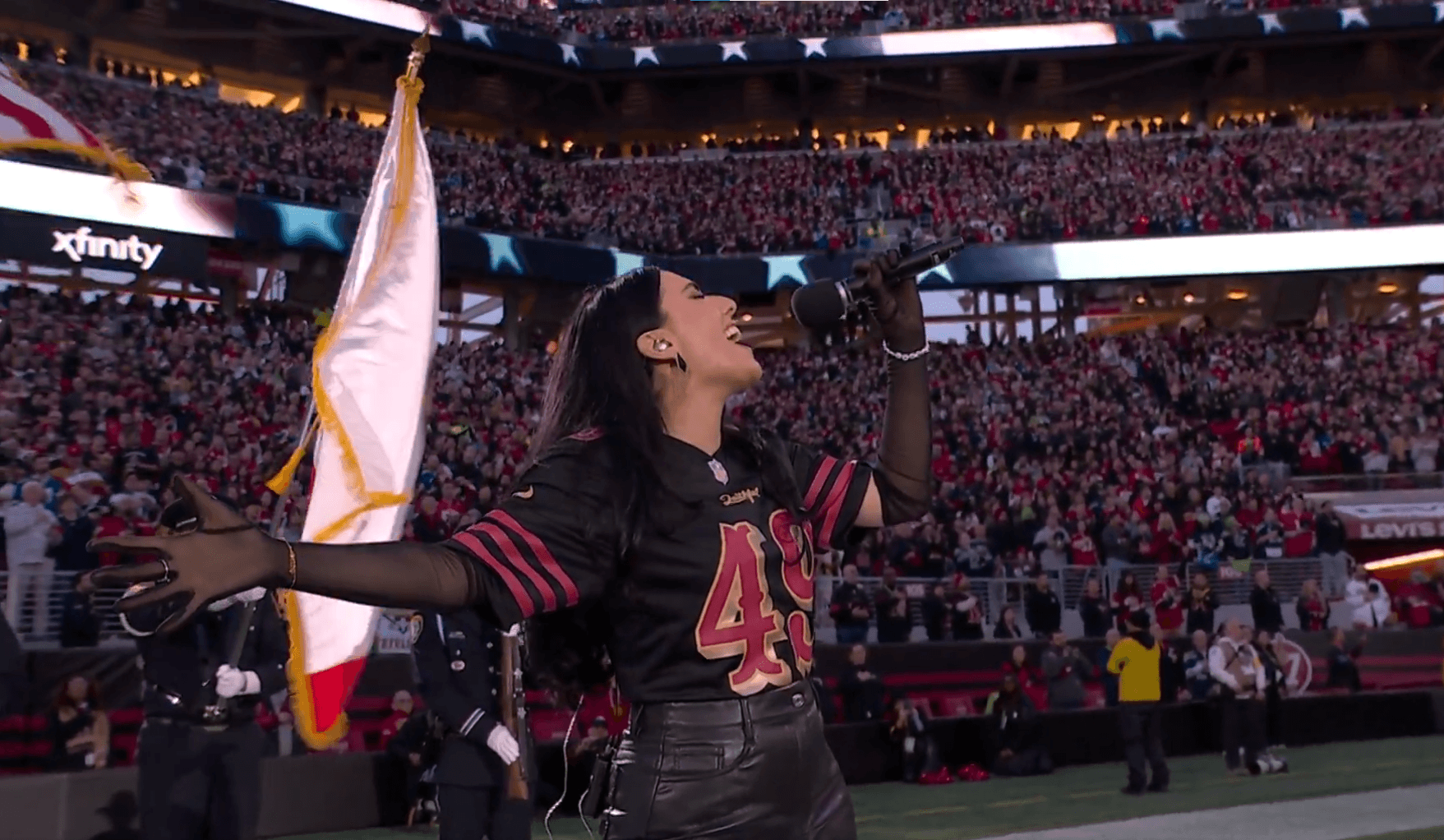
Americans Were Pissed Off After Uncovering Shocking Information About 49ers vs. Seahawks National Anthem Singer

“Think I Give A F**k What He Has To Say?” – 49ers Star Goes Off On Troy Aikman After Loss To Seahawks On ESPN

Latest Posts


Popular Posts