Nick Bosa and the Talk of a Super Bowl Push — Warrior Desire or an Uncrossable Line?
San Francisco, California – December 25, 2025
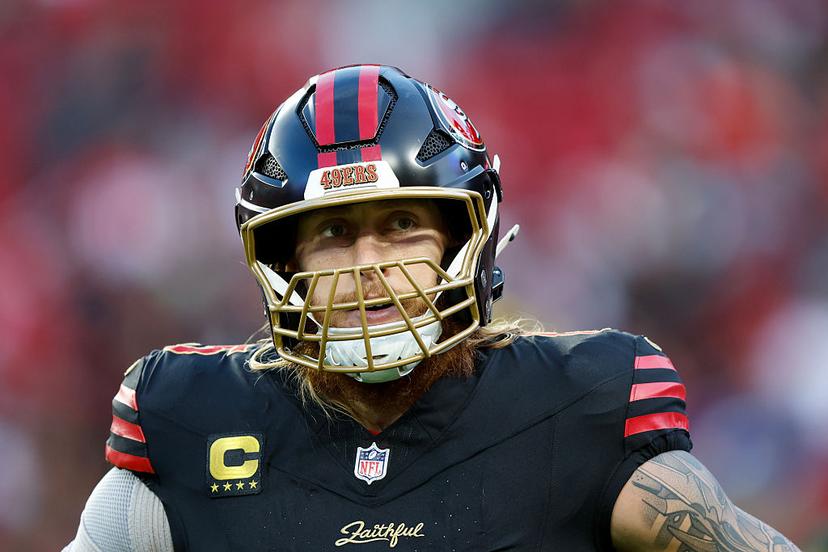
As the San Francisco 49ers continue their playoff run with confidence, one name remains firmly in the minds of fans and inside the locker room — Nick Bosa. Even after being officially ruled out for the 2025 season with a torn ACL, speculation has surfaced across social media suggesting that Bosa is “pushing” to return if the 49ers advance to the Super Bowl.
Bosa’s injury occurred early in the season, during Week 3 against the Arizona Cardinals. While rushing the passer in the first quarter, his right knee twisted awkwardly upon contact. He immediately went down, exited the game, and never returned. The following day, an MRI confirmed a torn ACL, and head coach Kyle Shanahan announced that surgery would be required — effectively ending Bosa’s season just weeks after it began.
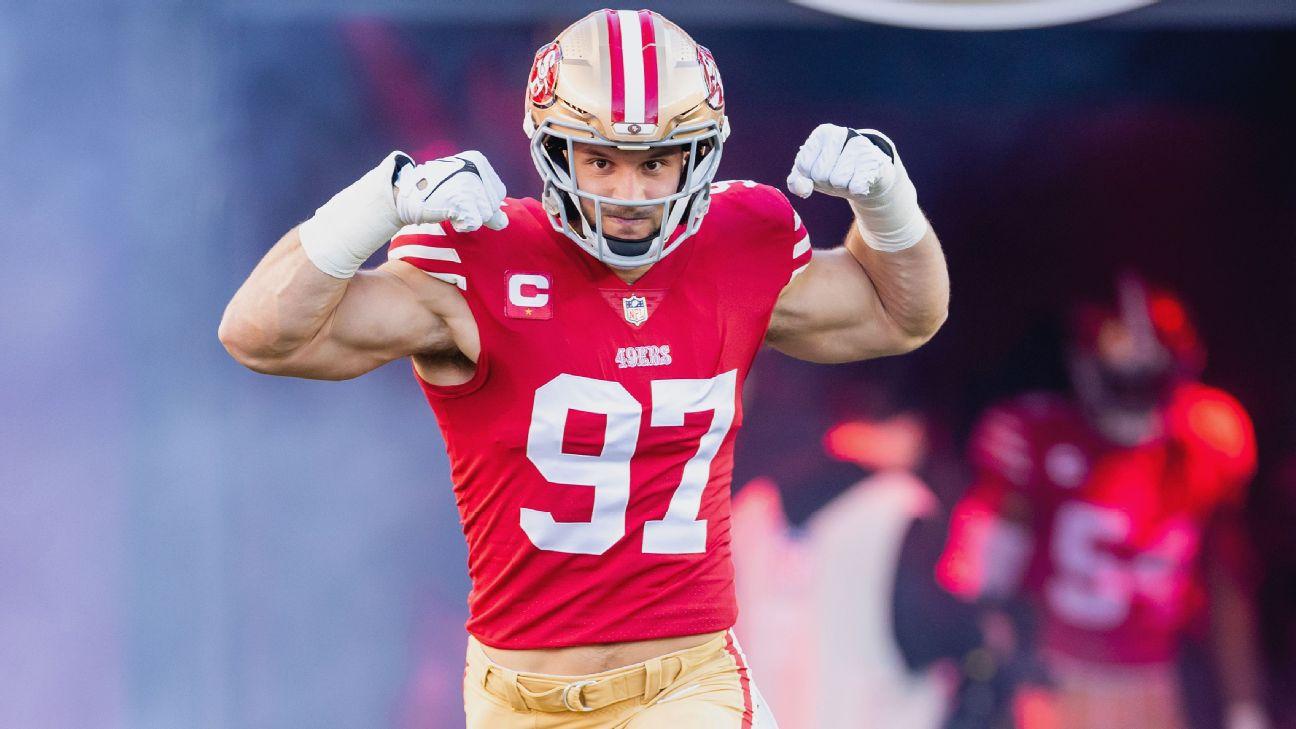
According to the team, the tear was considered “clean,” with no additional ligament or cartilage damage. Surgery was successfully performed in late September, and Bosa’s recovery has progressed as expected. Still, ACL injuries typically require nine to twelve months of rehabilitation, particularly for a defensive end whose game relies heavily on explosiveness, bend, and lateral movement.
That timeline makes a Super Bowl return in February 2026 — roughly five months after the injury — medically unrealistic. Despite rumors circulating on X, many originating from parody accounts or fan speculation, there has been no official indication that such a comeback is feasible.
Yet the rumors themselves speak to who Nick Bosa is. Known for his relentless drive and competitive fire, Bosa has built a reputation as a player who constantly tests his own limits. After tearing his ACL in 2020, he returned stronger than ever, eventually earning Defensive Player of the Year honors in 2022. That history fuels belief among fans that Bosa is capable of extraordinary comebacks.
Head coach Kyle Shanahan addressed the conversation by focusing on Bosa’s mindset rather than timelines or medical boundaries.
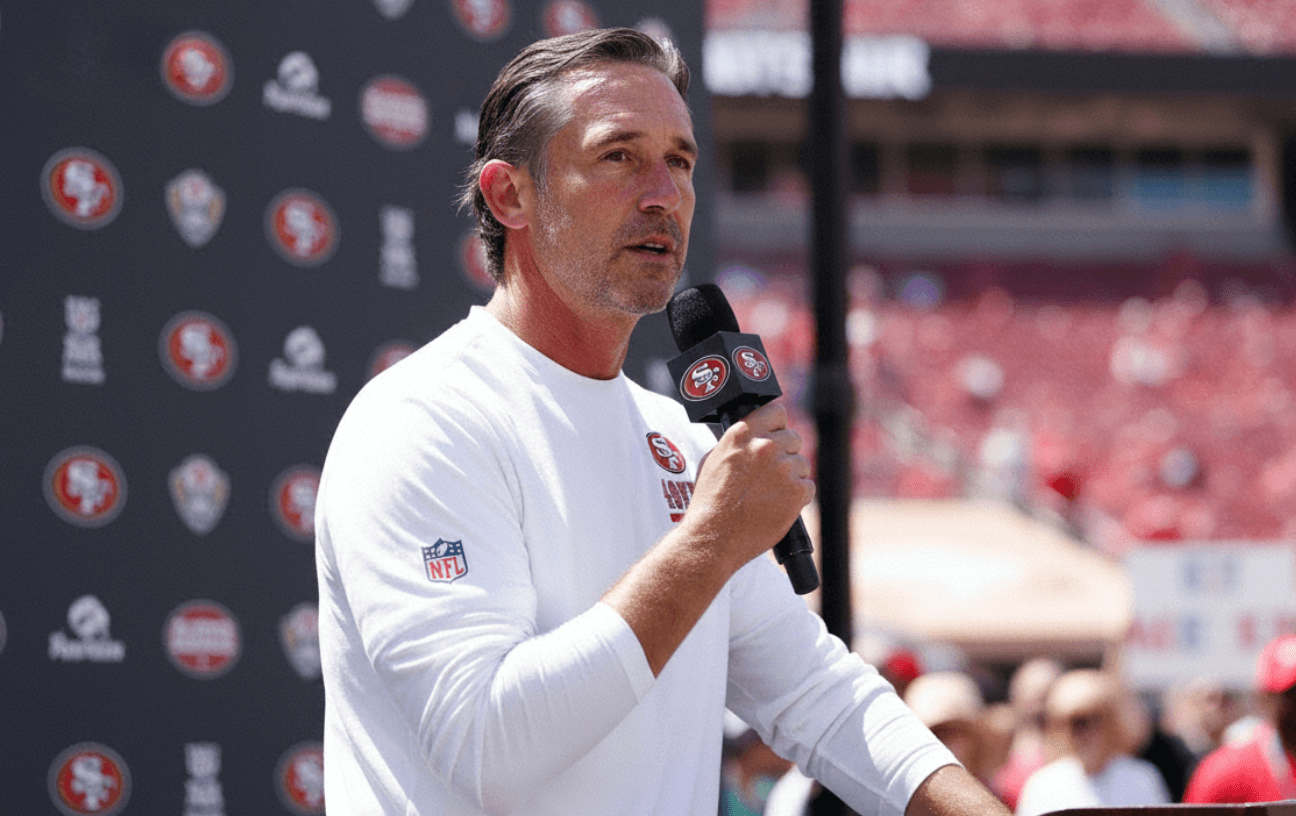
“Nick wants to be out there,” Shanahan said. “He wants to fight with this team, he wants to chase a Super Bowl with the 49ers, and that mentality says everything about who Nick Bosa is.”
The comment captured the essence of Bosa’s mentality without committing to anything beyond desire. It also reflects the organization’s understanding of what drives their defensive cornerstone — an unshakable attachment to the team and a hunger to be present for the biggest moments.
For now, the 49ers remain focused on the postseason without their premier pass rusher. Bosa, meanwhile, is locked into a different kind of battle — one that won’t be won on the field this winter, but through patience, discipline, and recovery.
The desire to return is real. The love for the team is unquestioned. But for Nick Bosa, the true victory may come not in rushing back for one game, but in ensuring he’s ready to dominate again when the next season begins.
May You Like


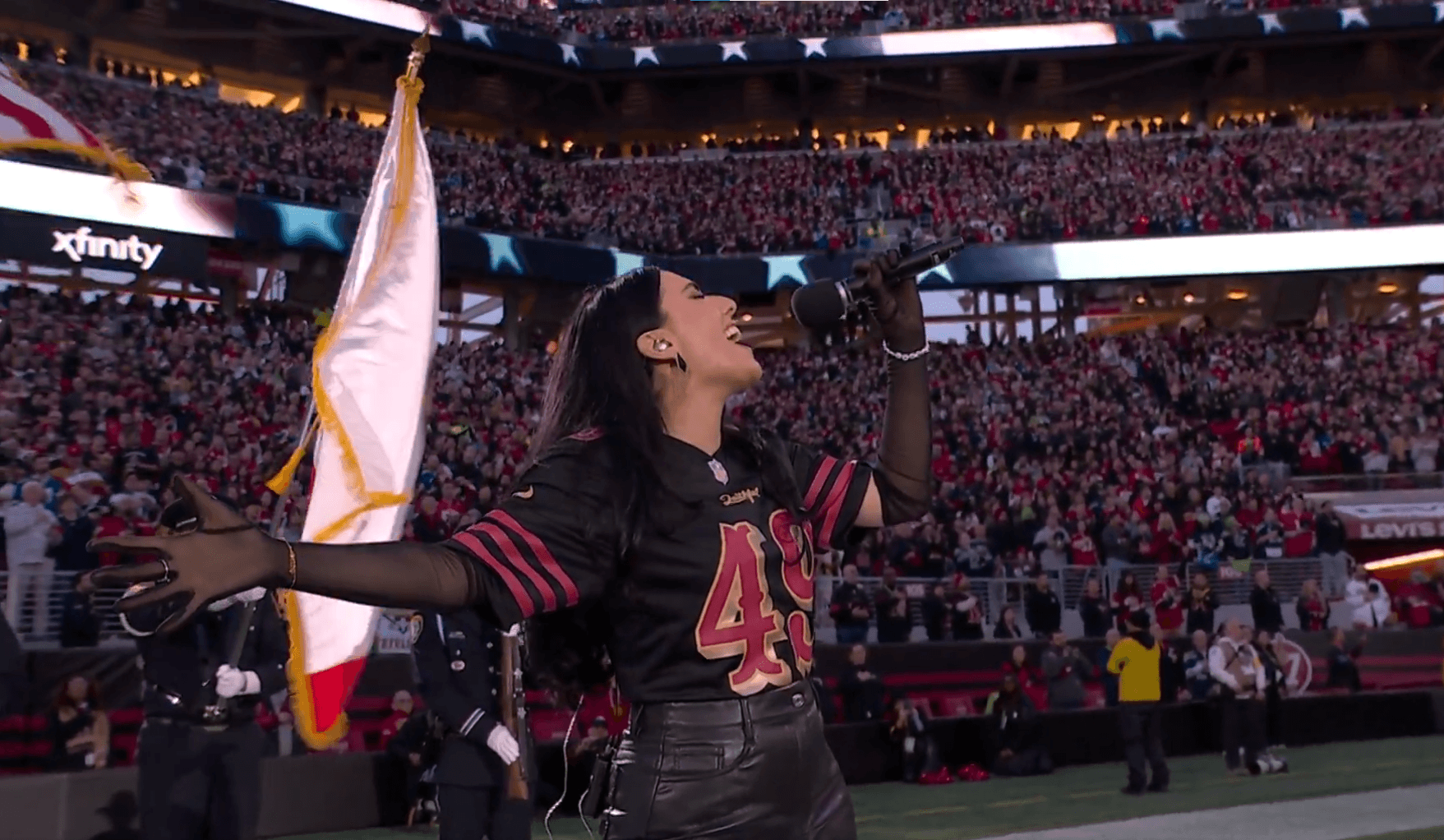
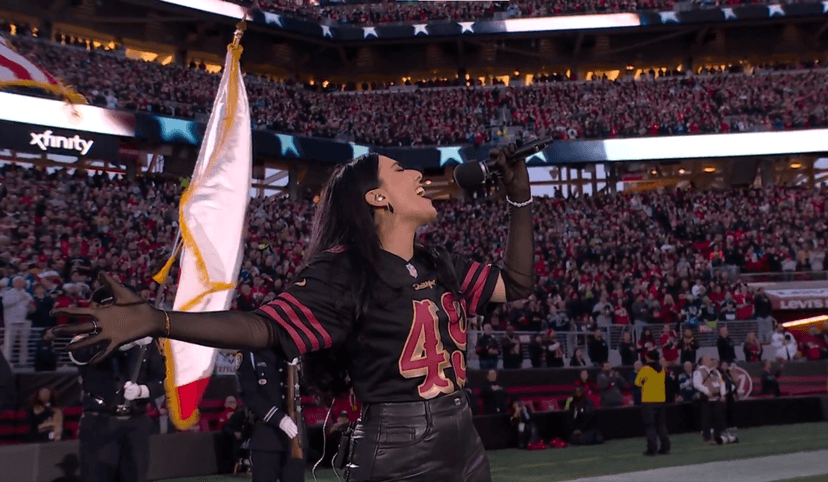
Americans Were Pissed Off After Uncovering Shocking Information About 49ers vs. Seahawks National Anthem Singer

Latest Posts
Popular Posts