“Think I Give A F**k What He Has To Say?” – 49ers Star Goes Off On Troy Aikman After Loss To Seahawks On ESPN
Santa Clara, California – January 4, 2026.
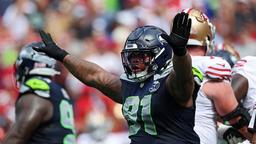
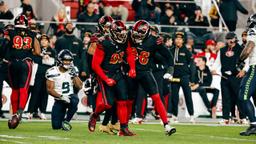
A frustrating night at Levi’s Stadium turned into a full-blown postgame controversy after the San Francisco 49ers’ 13–3 loss to the Seattle Seahawks. With the defeat costing San Francisco the NFC West crown and the No. 1 seed, emotions were already running high. But long after the final whistle, the spotlight shifted from the scoreboard to a heated exchange between a 49ers defender and one of the NFL’s most recognizable broadcast voices.
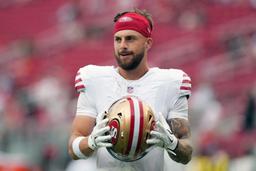
The “49ers star” at the center of the storm was Deommodore Lenoir, who had made headlines earlier in the week by openly welcoming a matchup with Seahawks wide receiver Jaxon Smith-Njigba. Lenoir’s comments were framed as confidence, even bravado, ahead of a rivalry game with major postseason implications.
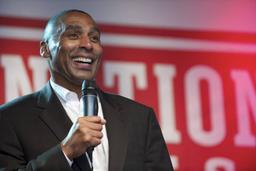
During ESPN’s broadcast of the game, however, that pregame trash talk became ammunition for criticism. Analyst Troy Aikman, calling the game alongside Joe Buck on ESPN, took a pointed shot at Lenoir as the matchup unfolded. Aikman suggested Lenoir’s comments were “pretty funny,” implying that the cornerback hadn’t consistently shut down receivers all season and that Seattle clearly favored the matchup. The critique came as Smith-Njigba finished with six catches for 84 yards in Seattle’s controlled, low-scoring win.
For Lenoir, the remarks struck a nerve. Shortly after the game, he took to Instagram Stories with a blunt, profanity-laced response aimed directly at Aikman. “Y’all think I give a f**k what Troy Aikman has to say?” Lenoir wrote, before questioning Aikman’s evaluation of the game and challenging anyone to show proof that Smith-Njigba had “given him work” on a route-by-route basis. The posts were later deleted, but not before screenshots circulated widely online.
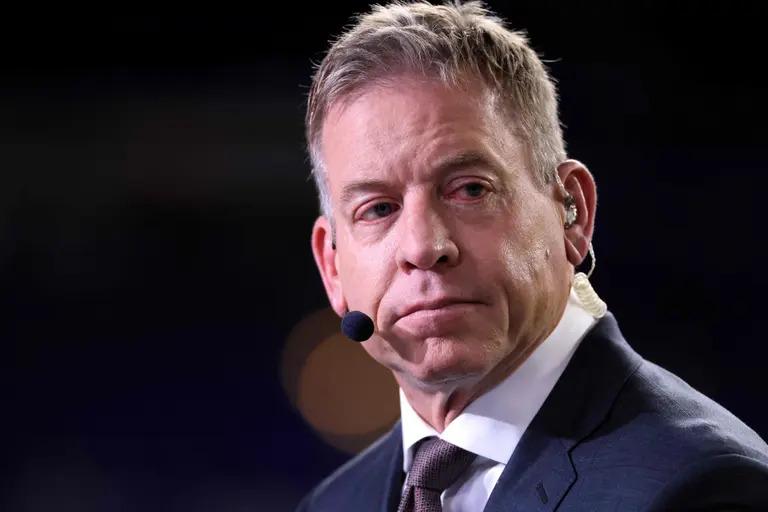
The outburst captured the raw emotion of a player processing both a painful loss and a public critique delivered on national television. For San Francisco, the defeat was already difficult enough: the 49ers managed just three points, were held to 176 total yards, and watched Seattle secure the NFC’s top seed and home-field advantage throughout the playoffs. Lenoir’s reaction became a symbol of that frustration boiling over.
From a broader perspective, the incident underscored the uneasy relationship between players and broadcasters in the modern NFL. Analysts are paid to be candid, sometimes cutting, while players often feel those judgments ignore context, assignments, and film-level nuance. Lenoir’s challenge to “post every route, every matchup” spoke directly to that divide.
Whether the comments were justified or not, the moment added another layer of tension to an already heated 49ers–Seahawks rivalry. As San Francisco prepares for a tougher road through the postseason, the emotional edge remains sharp. And for Deommodore Lenoir, the message was unmistakable: the criticism, fair or not, is personal — and he’s not backing down from it.
May You Like


Latest Posts

Popular Posts